
CLUBBlog & Articles
Blogs and Articles exploring management, leadership, performance, and sustainable growth, grounded in real practice and inspired by sport and elite performance. Blogs are freely available to everyone; in-depth articles and exclusive perspectives are reserved for Club members .
CLUB
PublicFalse Urgency at Work: The Hidden Cost of Always Being “Busy”
False urgency is one of the most expensive invisible habits in modern workplaces. When everything is treated as “ASAP,” teams shift from purposeful execution to constant reaction. Deadlines become arbitrary, interruptions become normal, and responsiveness starts to matter more than results. Over time, this culture fragments focus, weakens decision-making, and fuels chronic stress. False urgency may look like productivity, but it quietly taxes attention, energy, and sustainable performance.
Posted by Eva Blaha
CLUB
CLUBClubWhy managers get blamed for decisions they didn’t take (and why this is structural)
Reserved for Club members
Read more
CLUBClubMoving Beyond Imposter Syndrome: From Self-Doubt to Self-Trust
Reserved for Club members
Read more
PublicWhy Women Experience More Imposter Syndrome Than Men, And Why It’s Not a Confidence Issue
Women don’t doubt themselves more because they lack ability, they doubt themselves because leadership norms still send mixed signals about legitimacy.
Posted by Eva Blaha
PublicWhy Sport in Childhood Expands the Chances of Leadership Later in Life
Leadership rarely starts with a title. It is often shaped much earlier, in environments where accountability, feedback, and collective performance are lived, not taught. Childhood sport is one of those environments.
Posted by Eva Blaha
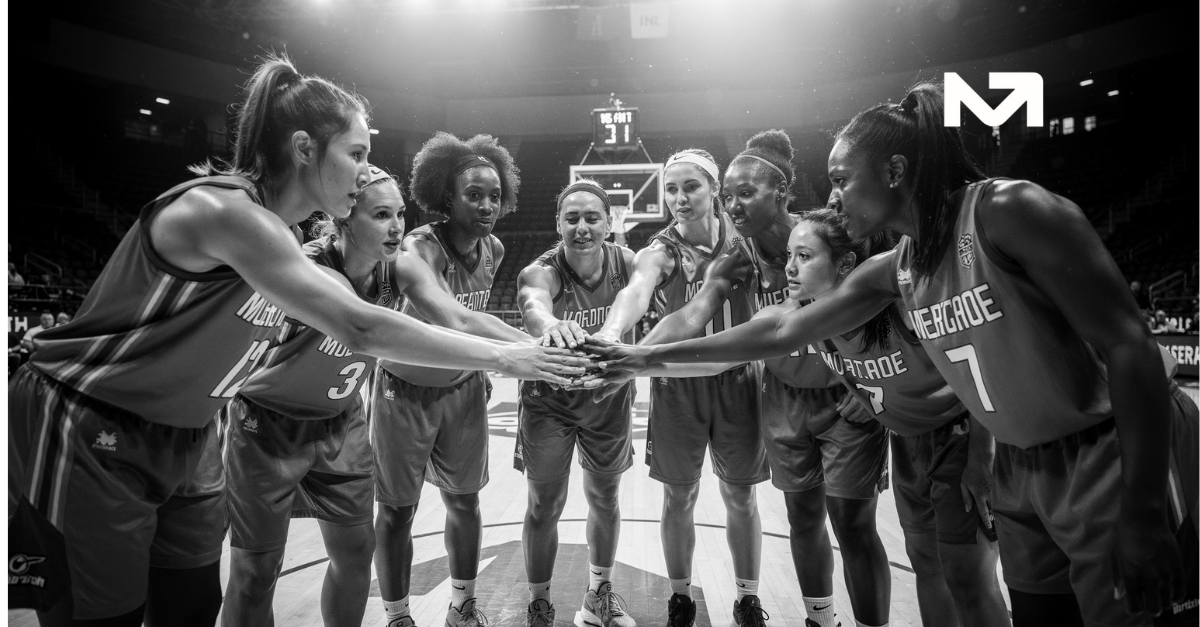
PublicWhat Basketball Reveals About Team Performance
Basketball is often seen as a sport of speed, talent, and individual brilliance. In reality, it is one of the clearest demonstrations of how team performance actually works.
Posted by Eva Blaha
View on LinkedIn
CLUBClubSprint Resilience vs. Marathon Resilience: Why Leaders Need to Stop Confusing the Two
Reserved for Club members
Read more
CLUB
PublicResilient or robust. A discussion for managers
Like plant roots in shifting soil, robust teams thrive not in spite of uncertainty, but because of it, and prepare for it.
Posted by Jacques Demael
View on LinkedIn
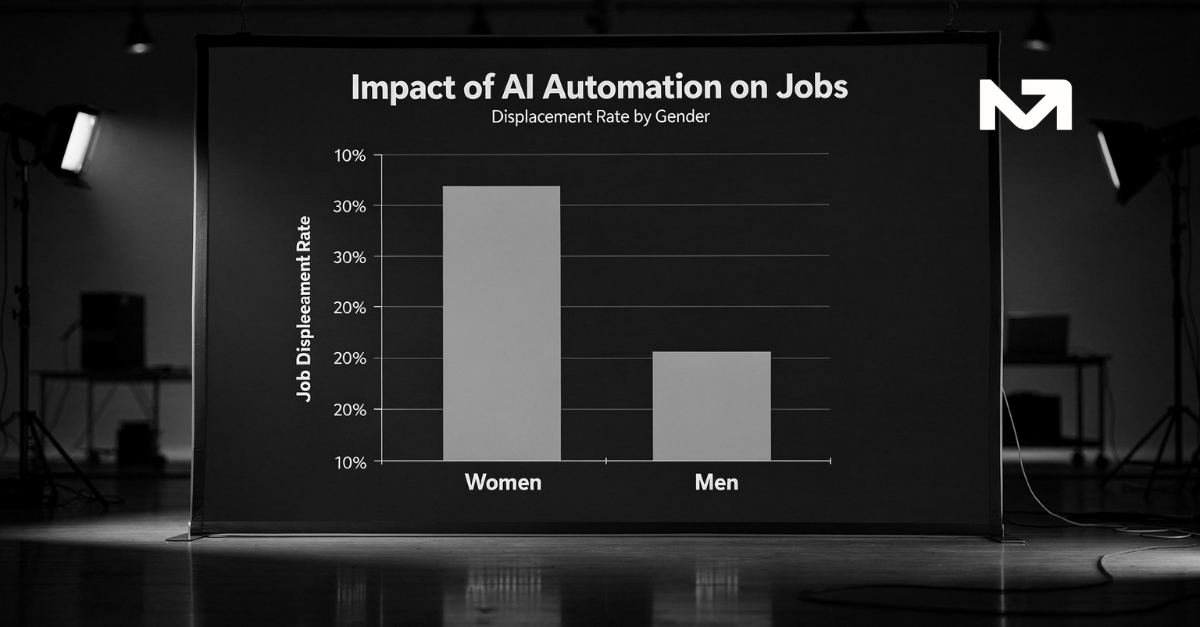
PublicAI Transformation and the Gender Gap: Why Women’s Jobs Face Greater Disruption And What Leaders Do About It
Data shows women are more exposed, less represented in AI roles, and under-supported in reskilling. Ignoring this is not only unfair, it’s strategically dangerous.
Posted by Eva Blaha
View on LinkedIn
PublicEager to move on? What about learning as an imperative?
Some leaders believe their degrees and early achievements make them untouchable. But in a world changing this fast, the most dangerous sentence a manager can think is: “I already know.”
Posted by Jacques Demael
View on LinkedIn
PublicHow Elite Sports Debriefs Can Transform Your Team’s Performance
Champions don’t grow by accident. They grow because they reflect with discipline. If organisations want the same performance edge, they must bring debrief rituals out of the locker room and into their meeting rooms.
Posted by Eva Blaha
View on LinkedIn
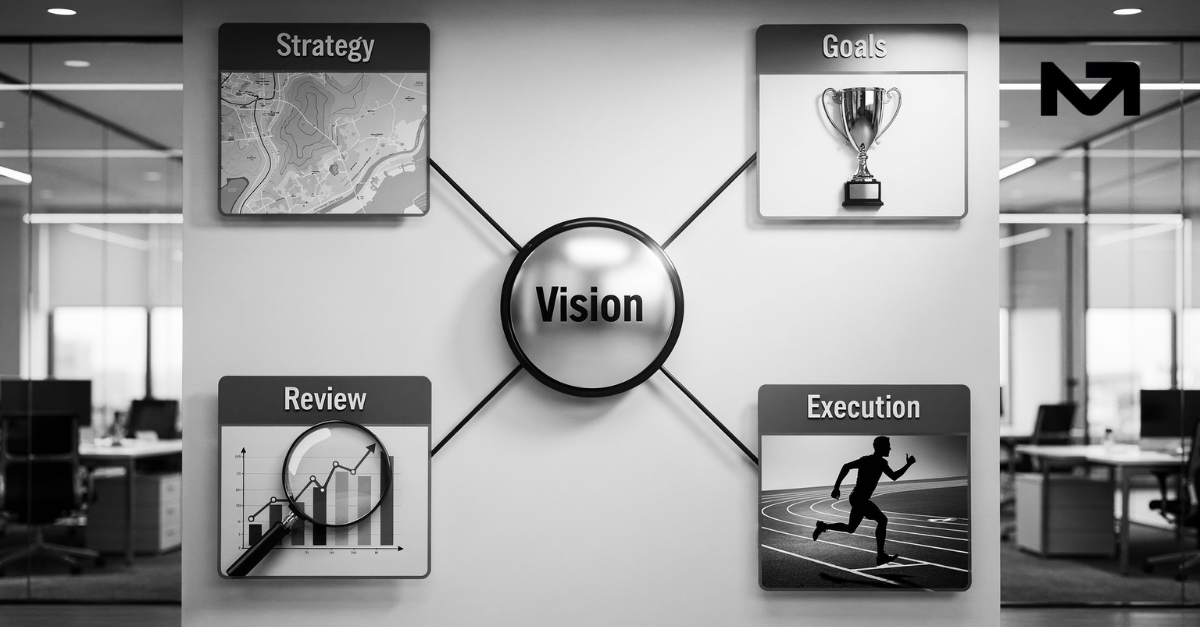
PublicPlanning cycles at work: The rhythms that free
We treat planning as if it were a time-consuming burden. In reality, when done right, planning is the one system that frees you from urgency, pressure, and constant reactivity.
Posted by Jacques Demael
View on LinkedIn
PublicDon’t Wait to Be Promoted: What Middle Managers Can Learn from Elite Athletes About Career Planning
Middle managers carry teams, culture, and execution, but too often, their own growth is left to luck. Unlike athletes, they rarely get coaching, structure, or a long-term development plan. It’s no surprise so many feel stalled.
Posted by Eva Blaha
View on LinkedIn
PublicYour Leadership Bench Is Collapsing: The Crisis No One Is Preparing For
By 2030, global talent shortages could leave 85 million jobs unfilled, costing the world economy $8.5 trillion annually(Korn Ferry). Hidden in that headline figure is a quieter but more dangerous truth: we are running out of people willing and able to manage.
Posted by Eva Blaha
View on LinkedIn
PublicThe Missing Ambition: Why Young Athletes Still Chase Gold but GenZ Won’t Chase Management
In sport, pressure is purposeful. In corporate life, pressure often feels pointless. Until we reshape the manager experience, the next generation won’t chase leadership, they’ll run from it.
Posted by Eva Blaha
View on LinkedIn
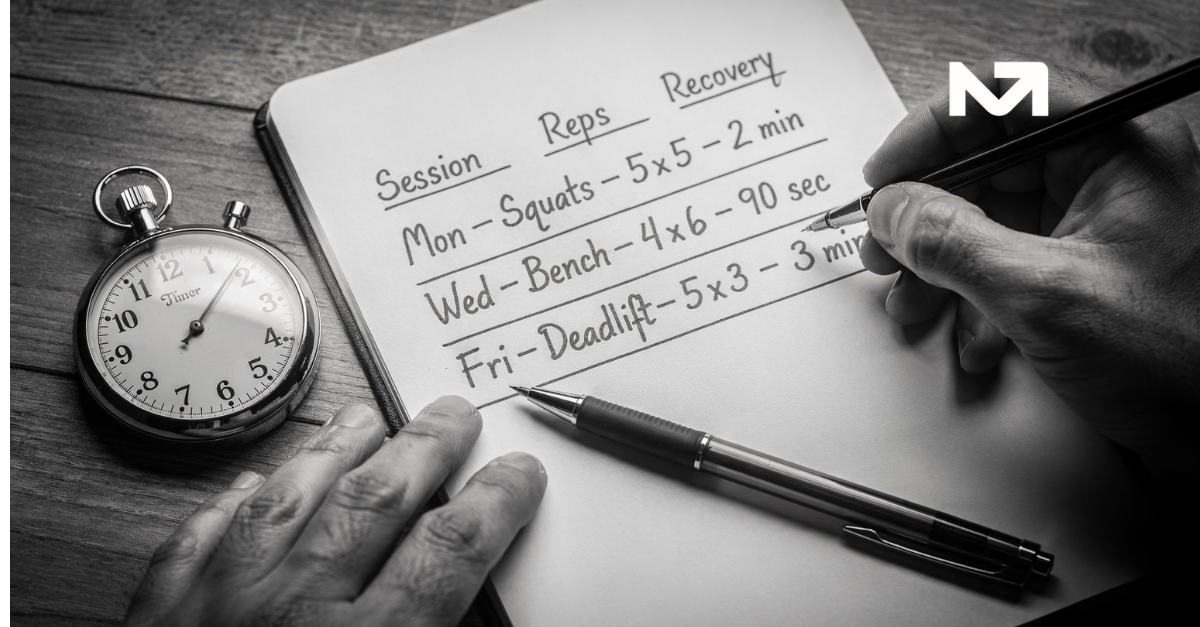
PublicTrain your skills like you train for sports
To become employable, we needed to invest 15% of our time in learning.
Posted by Jacques Demael
View on LinkedIn
PublicWhen the Locker Room Turns Toxic: What Sports Teach Us About Workplace Culture
In high-level sports, talent alone doesn’t win championships—team culture does. And when the locker room turns toxic, no strategy, playbook, or performance incentive can compensate for the damage.
Posted by Eva Blaha
View on LinkedIn
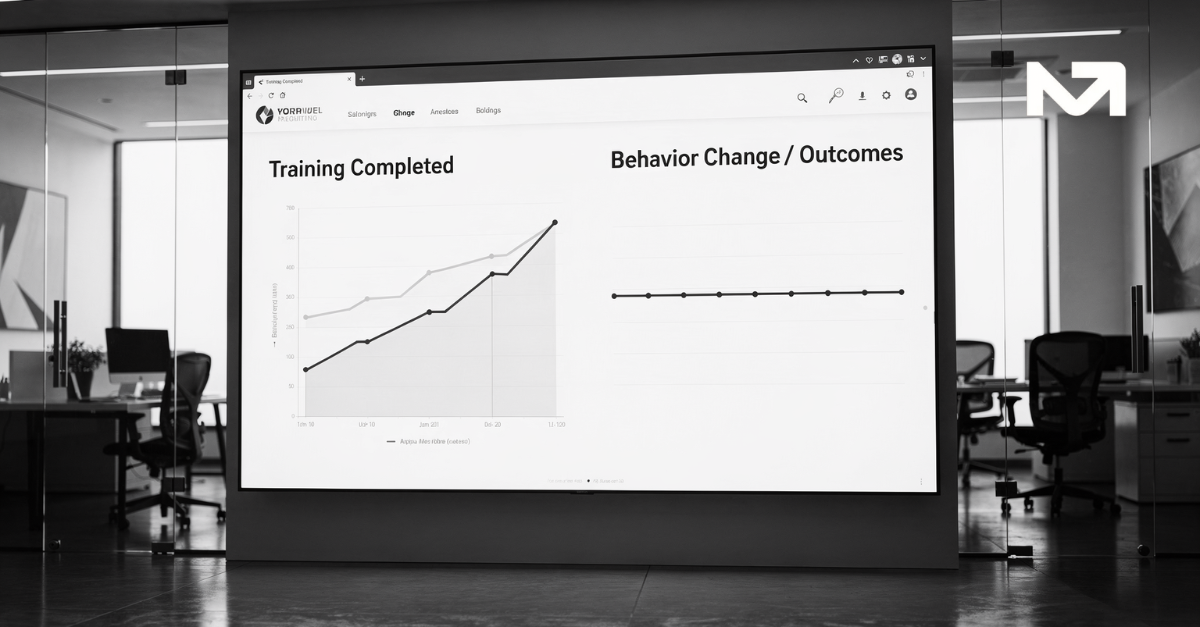
PublicWhy Most Training Stays on the Bench (and How to Fix It)
Too much learning never makes it onto the field. Here’s how managers can coach their teams to turn training hours into real performance and impact.
Posted by Eva Blaha
View on LinkedIn
PublicAre KPIs the Productivity Killers of Business? Lessons from Sport
When you watch a top athlete perform, what do you see? The scoreboard? The stopwatch? The stats? Or the flow, teamwork, and mindset that actually create performance?
Posted by Eva Blaha
View on LinkedIn
PublicWellbeing Programs Won’t Fix Burnout. But Equipping Managers for Their Inner Game Might.
We often hear it: “Take care of your people, and they’ll take care of your business.” It’s true, but incomplete.
Posted by Eva Blaha
View on LinkedIn
PublicPerformance Reviews Are Failing: Not Because of Process, But Because of Mindset
Despite decades of redesign, performance reviews continue to disappoint. Forms have evolved. Rating systems modernised. Competency models refreshed. Yet the impact remains strikingly low.
Posted by Eva / Jacques
View on LinkedIn
PublicThe Hidden Language of High-Trust Teams: What Leaders Can Learn from the Locker Room
In elite sports, cohesion isn’t only built through pep talks or strategy sessions. It’s forged in subtler ways, through micro-signals exchanged between players in moments of pressure. These exchanges form what coaches call locker room language: nonverbal cues that reinforce commitment, trust, and shared purpose.
Posted by Eva Blaha
View on LinkedIn
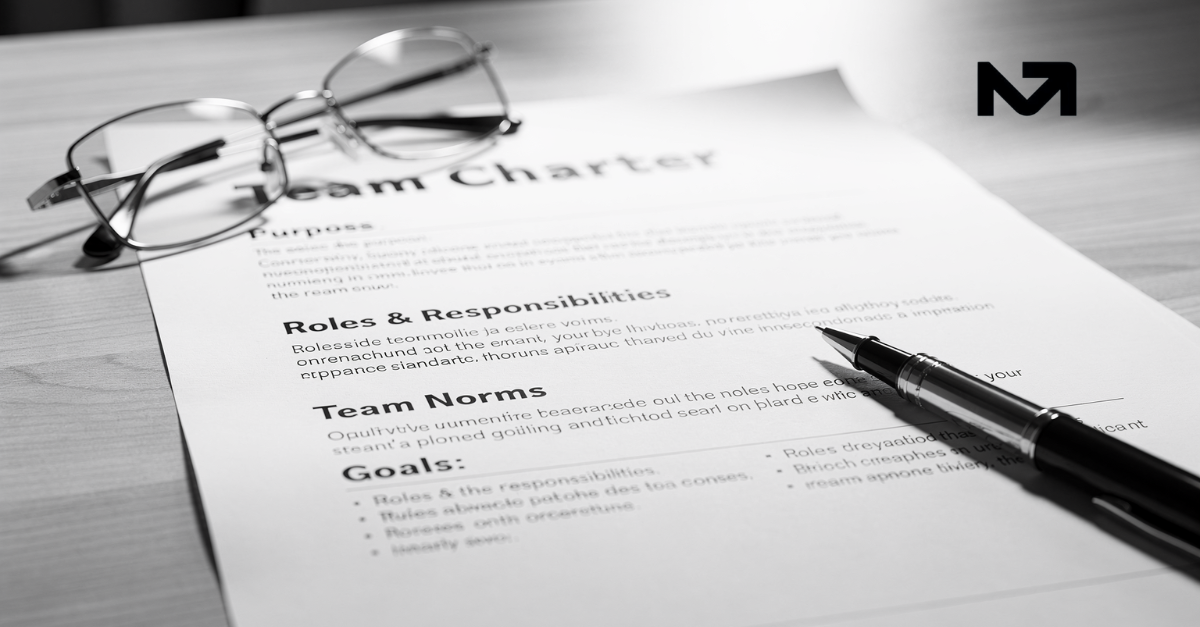
PublicThe Missing Playbook: Why a Team Charter Is the Most Important Thing Managers Never Do
Most new managers are eager to prove themselves. They dive straight into meetings, metrics, and momentum. They set goals, allocate responsibilities, and get moving fast. But somewhere between Week 3 and Quarter 1, something starts to fray. Communication feels heavier. Priorities drift. Slack messages become curt. The energy drops.
Posted by Eva Blaha
View on LinkedIn
PublicWhen Coping Turns Into Dependence and What Elite Athletes Teach Us About Facing the Real Issue
Managers today perform under pressure comparable to elite athletes: constant scrutiny, high expectations, rapid decision-making, and the ongoing demand to be emotionally available for everyone else. Under this weight, coping strategies become essential.
Posted by Eva Blaha
View on LinkedIn
PublicEngagement Isn’t Effort - It’s Energy: Why Teams Struggle with Engagement
Every manager talks about engagement. Few truly understand it. Most organisations treat engagement as a performance metric. Something to be measured and improved through surveys, incentives, or motivational campaigns. But engagement isn’t about doing more. It’s about being energised enough to care, commit, and continue, especially when it’s hard.
Posted by Eva Blaha
View on LinkedIn
PublicHigh Five Leadership: What Basketball Reveals About the Strategic Value of Recognition
In high-pressure environments, performance often hinges on the smallest behaviours. Professional basketball offers a compelling example: the simple high five.
Posted by Eva Blaha
View on LinkedIn